

Life on board
Life on a Liveaboard
Life on a liveaboard is simple: dive, eat, rest and dive again, with the boat moving between sites while you sleep. Here's what a typical day looks like, and how to stay comfortable and get the most from your week at sea.
A Typical Day On Board
Life on a liveaboard follows the dive schedule. Times vary by boat, region and season, but this is the usual pattern on a full diving day.
- Around 6:00
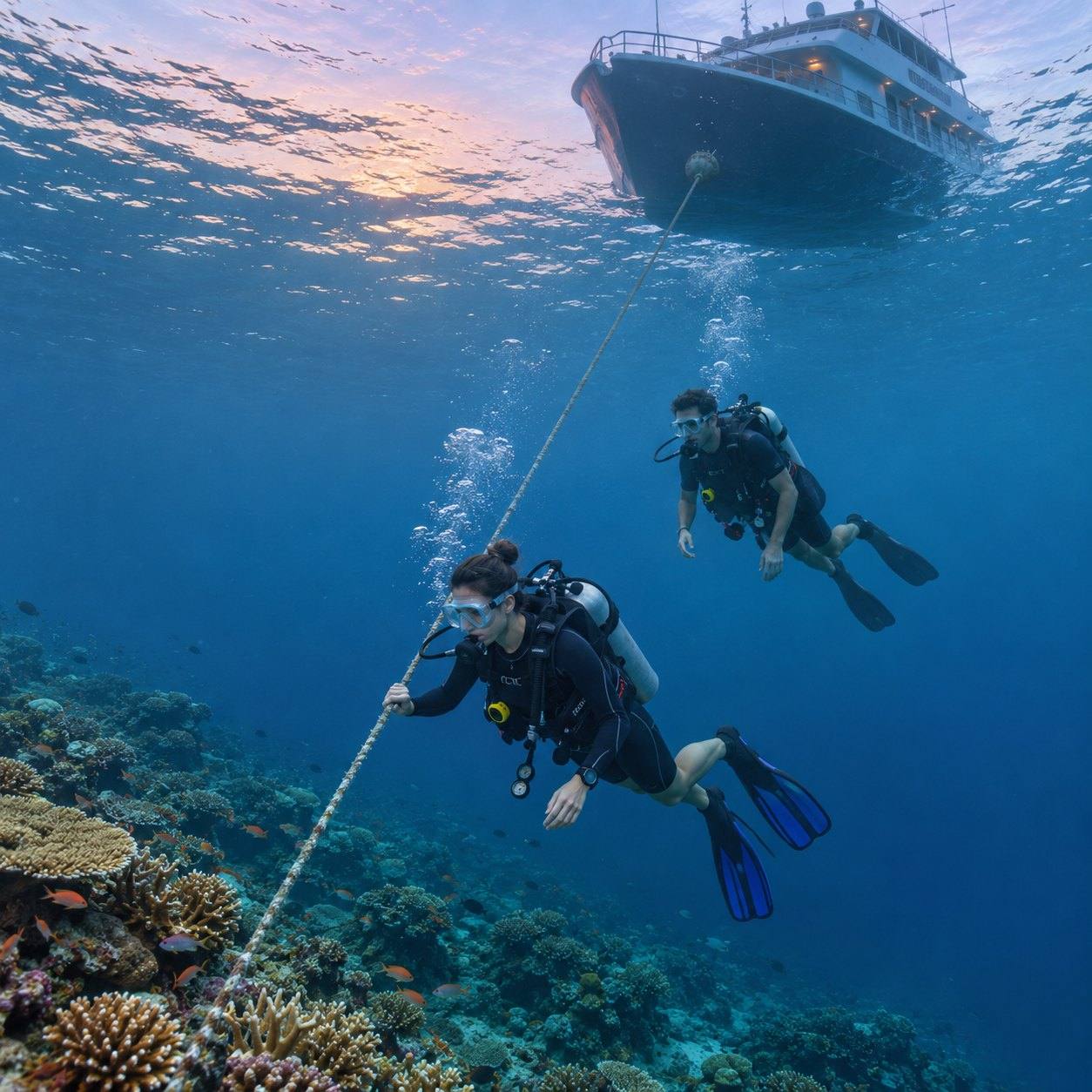
Dawn dive
Wake-up bell, coffee, a briefing and the first dive of the day.
- Around 8:00
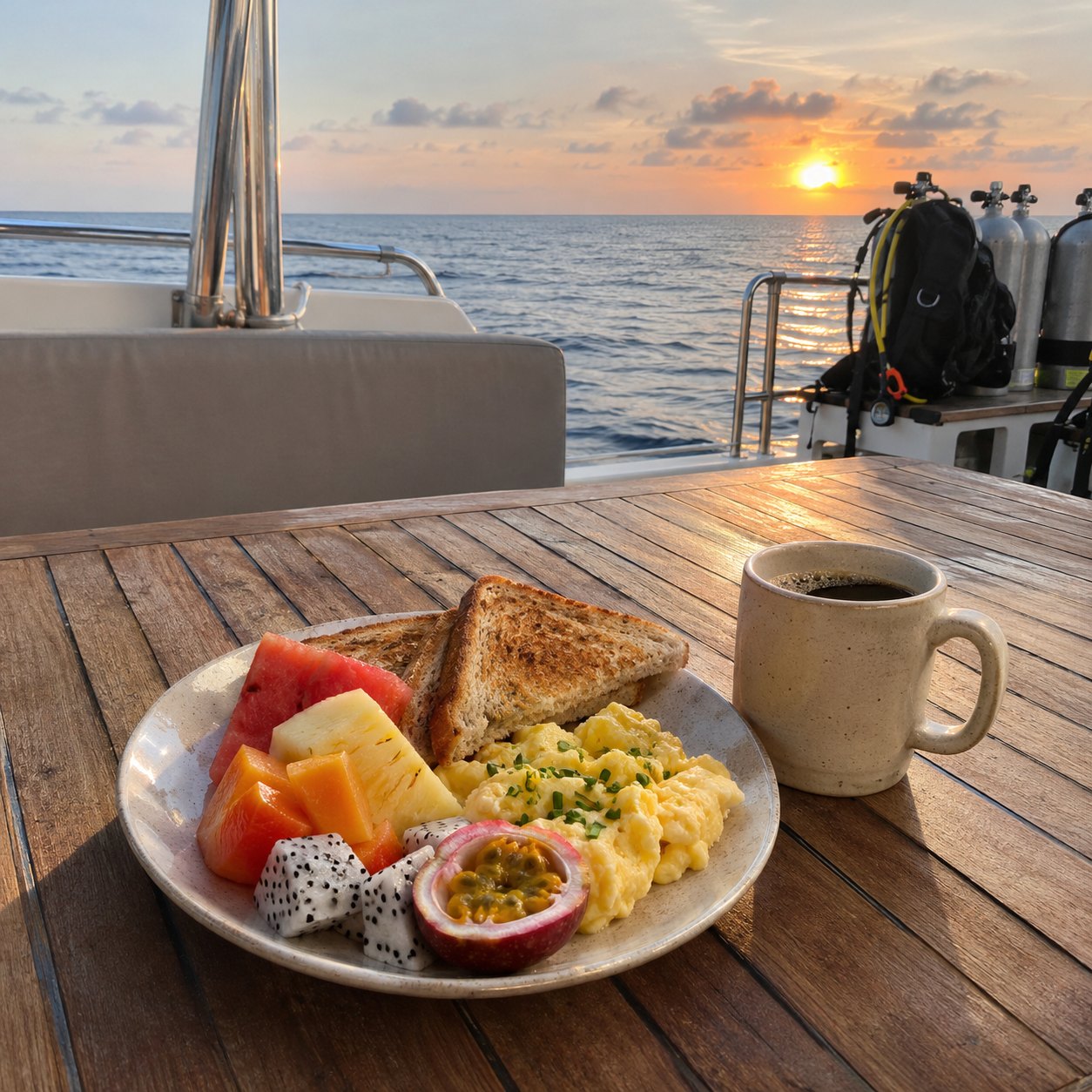
Breakfast
A cooked breakfast while the crew refills your tank.
- Around 10:30
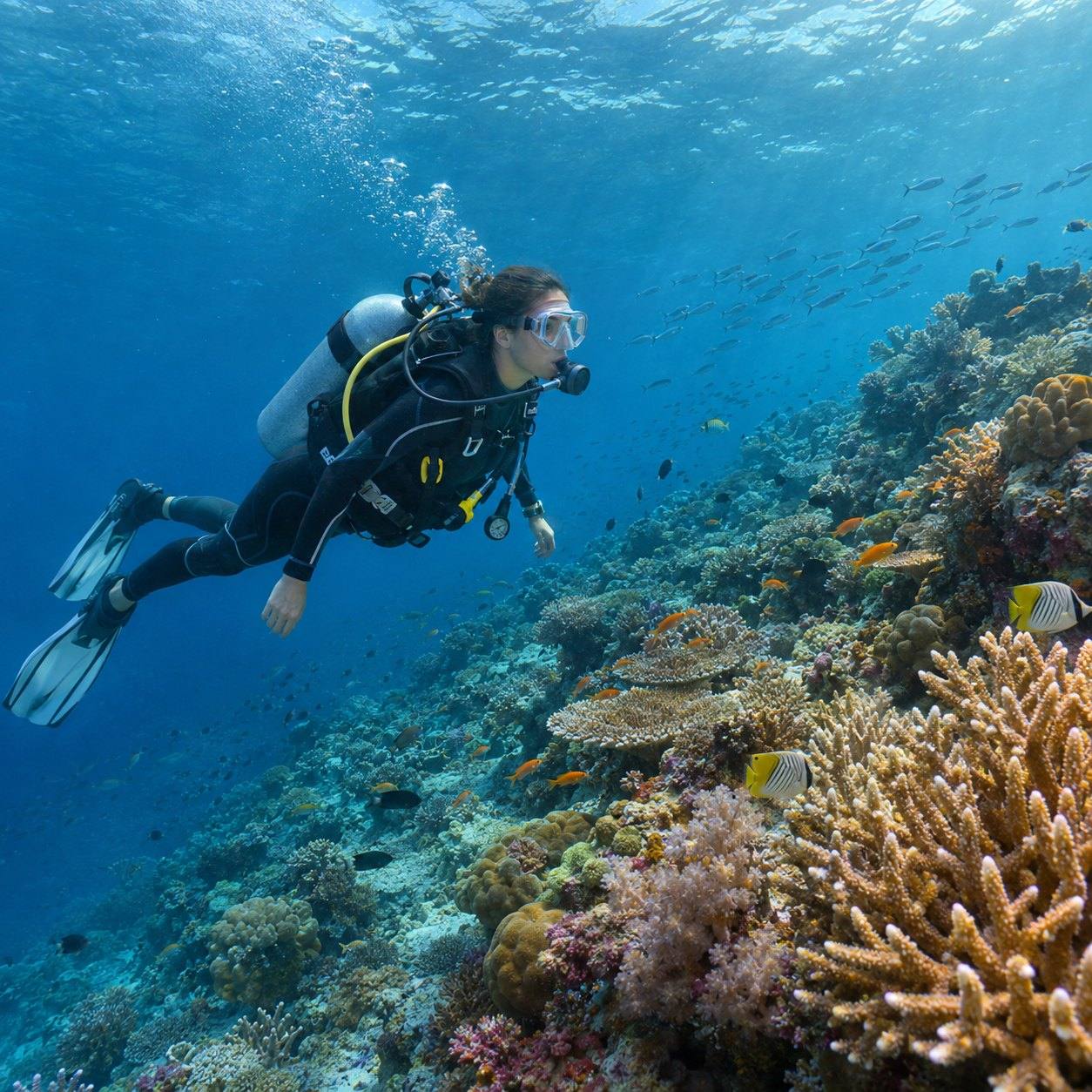
Second dive
Often the main site of the day, in the best light.
- Around 12:30
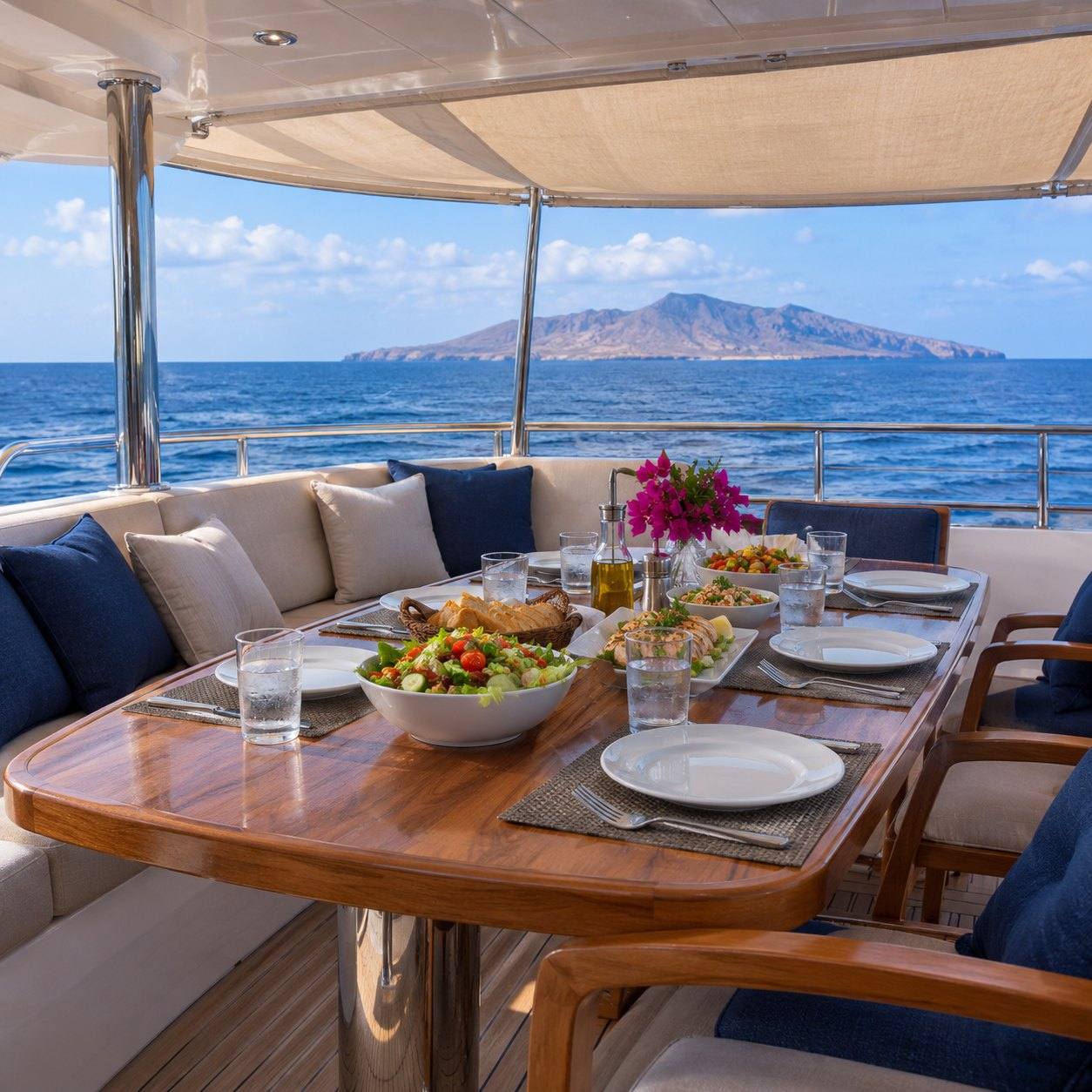
Lunch and rest
Lunch, a nap or the sun deck while the boat repositions.
- Around 15:00
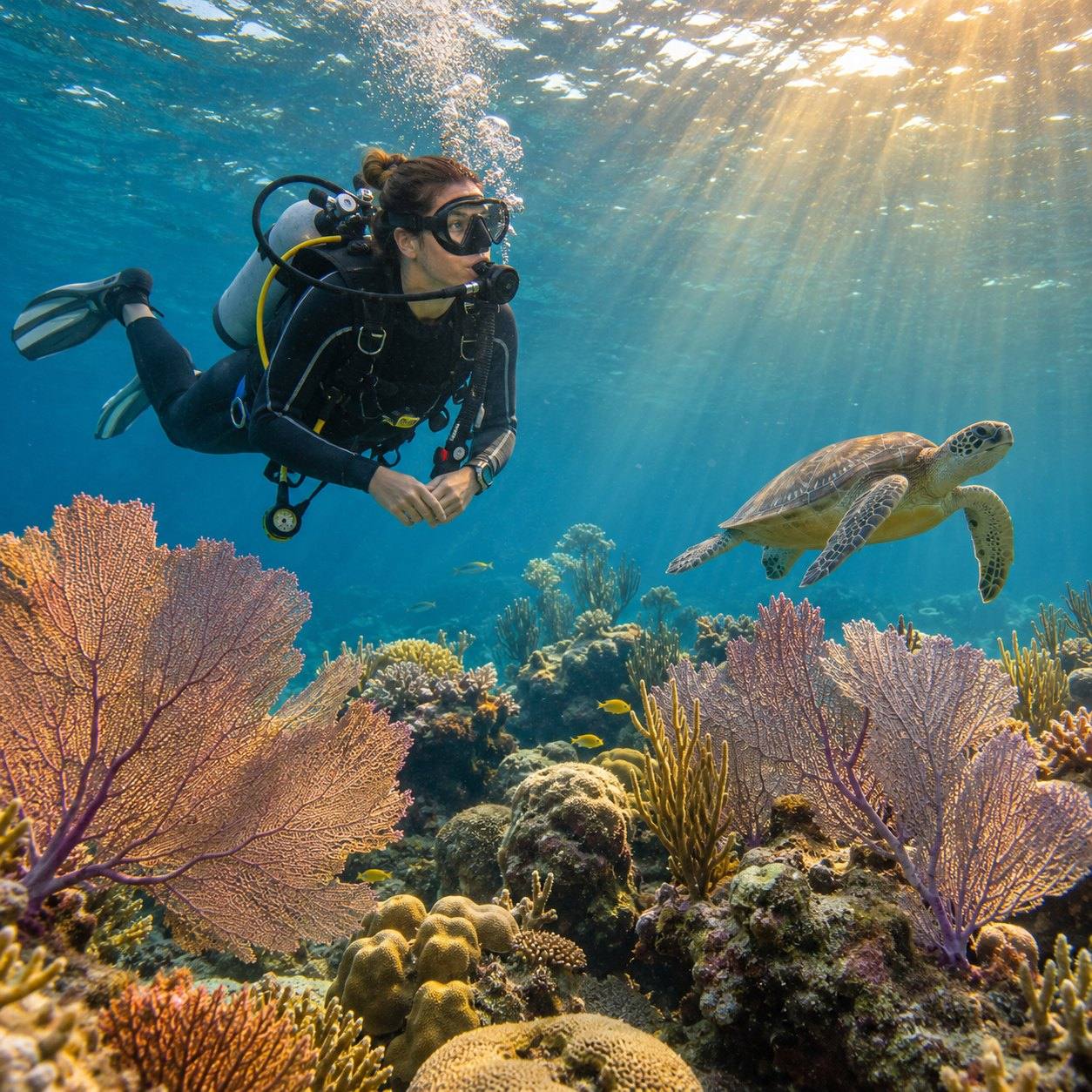
Afternoon dive
A gentler reef dive, sometimes followed by a fourth.
- After dark
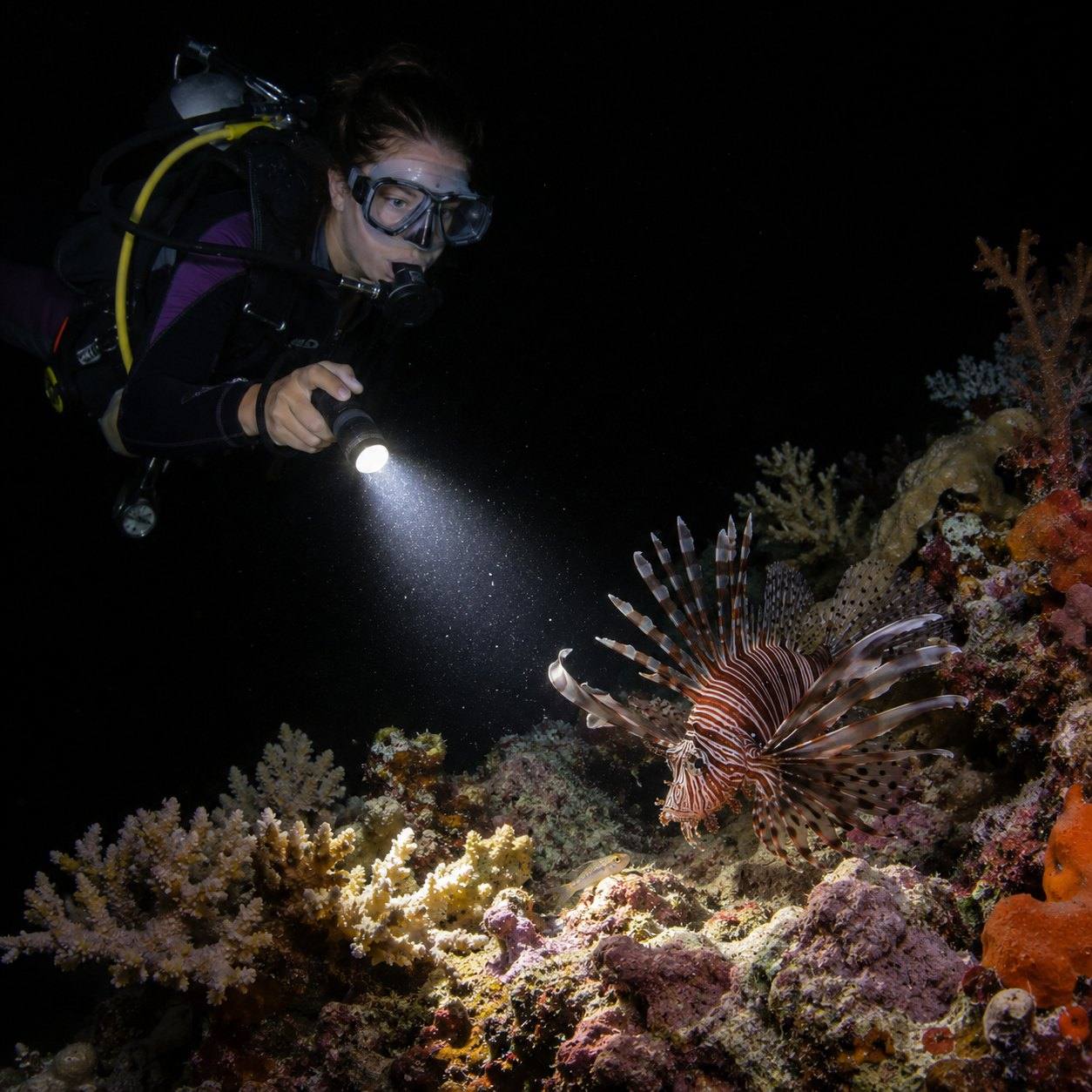
Night dive
Torch-lit hunters and sleeping fish, then dinner.


The first day
Most trips start in the afternoon or evening. You board, settle into your cabin, set up your gear at your station and sit through a full safety briefing: emergency exits, life jackets, the dive procedures and boat rules. Many boats sail overnight to the first site. The first dive is usually an easy check dive, so the guides can see everyone's buoyancy and weighting before the bigger sites.
The dive routine
Each dive starts with a briefing that covers the site, the plan, the expected current and the marine life. You kit up at your station, and either step off the back of the boat or ride a tender to the drop point. After the dive the crew usually refills tanks at your station, so you only need to rinse your mask and camera and change into dry clothes. Most boats ask you to keep to the planned depth and time, to dive with a buddy or your guide group, and to log in and out with the crew every time.
Tip: you don't have to do every dive. Skipping one when you're tired, cold or have a slight cold is sensible, and the crew will expect it on a long trip.
Food and comfort
Diving burns a lot of energy, and liveaboard kitchens know it. Expect three main meals a day plus snacks between dives, usually served buffet-style. Most boats cater for vegetarian diets and allergies if you tell them when you book. Drinking water, tea and coffee are normally included; soft drinks and alcohol may cost extra, and many boats have a rule of no alcohol before the day's last dive.
Space is shared, so a little consideration goes a long way. Keep your gear in your station and your belongings in your cabin, be on time for briefings, and save water: fresh water on board is made or carried, and short showers help everyone. Wet swimwear stays off the indoor seating.
Rest and free time
Between dives, there's time to read, edit photos, nap or watch for dolphins from the sun deck. Many boats offer snorkelling, kayaks or short island visits on some days, and marine-life talks in the evening. Wi-Fi at sea is often slow, limited or absent, so download books, films and identification guides before you go, and treat the trip as a chance to disconnect.
Seasickness and staying well
Even good sailors can feel unwell on the first day or during open-water crossings. Take seasickness medicine before you sail rather than after you start to feel ill, stay on deck in fresh air and look at the horizon, and keep eating small amounts. Drink plenty of water: repeated diving, sun and salt air are dehydrating, and dehydration is thought to raise the risk of decompression sickness. Use reef-safe sunscreen and cover up between dives, and dry your ears after every dive to help prevent ear infections.
Etiquette and tipping
Crews work long hours to keep the diving smooth and safe. Tipping is customary on most liveaboards and is usually collected at the end of the trip, often in cash and in the local or US currency. Ask the operator about the usual amount and currency before you go so you can bring it with you. Above all, follow the guides' briefings and treat the reef with care: no touching, no chasing animals and good buoyancy.
The last day
The final day usually has one or two morning dives, then gear rinsing, packing and settling the bill. Plan your flight home with enough surface time: Divers Alert Network (DAN) guidelines recommend at least 18 hours after multiple days of no-decompression diving before flying, and substantially longer after any dive that needed decompression stops. These are minimums, not guarantees, and anyone with possible symptoms of decompression sickness should not fly. Our liveaboard dive trip planning guide explains the no-fly time, and the liveaboard packing list helps you bring the right things. Not sure what kind of boat suits you? Read how to choose a liveaboard.
Ready to pick a region?
See where liveaboards go and when each region is at its best.